

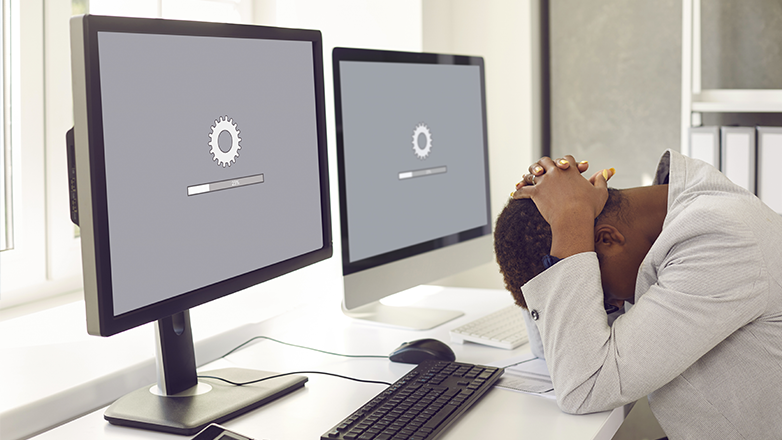
A slow computer can turn simple tasks into frustrating experiences. Applications may take longer to open, websites can become sluggish, and even basic activities such as browsing, writing documents, or watching videos may feel unnecessarily difficult. While aging hardware can eventually affect performance, many slowdowns are caused by software, storage, unnecessary background processes, or poor maintenance.
The good news is that you do not always need to purchase a new computer to improve its speed. A few practical changes can make a noticeable difference. Whether you use a computer for work, study, gaming, or everyday browsing, understanding how to maintain its performance can help it remain responsive for longer.
For readers interested in practical technology advice, techhack.co.uk can also be a useful resource for discovering computer tips, troubleshooting ideas, and technology-related information.
Keep Your Operating System Updated
One of the simplest ways to maintain computer performance is to keep the operating system updated. Software updates often include security improvements, bug fixes, compatibility changes, and performance optimizations.
An outdated operating system may also have problems working efficiently with newer applications and hardware. Regular updates can therefore help maintain stability while reducing potential software-related issues.
However, users should avoid downloading updates or system utilities from unknown websites. Whenever possible, use the operating system’s built-in update feature or an official software source.
Remove Unnecessary Programs
Over time, computers often accumulate programs that are no longer needed. Applications may have been installed for a particular project, downloaded temporarily, or simply forgotten.
Unused software can consume storage space and, in some cases, run background processes that use memory or processor resources.
Review your installed applications regularly and uninstall programs you no longer use. On Windows, the Apps section in Settings can be used to review and remove unnecessary applications.
Before uninstalling anything, make sure you understand what the program does. Some system components and hardware utilities are necessary for normal operation.
Manage Startup Applications
A computer can feel especially slow immediately after turning it on. One common reason is that too many applications are configured to launch automatically.
Messaging applications, cloud storage tools, update managers, and other programs may start in the background even when you do not need them immediately.
Windows users can review startup applications through Task Manager. Disabling unnecessary startup programs can reduce the workload placed on the computer during startup and leave more resources available for the applications you actually want to use.
Be selective. Essential security software and important system services should generally remain enabled.
Free Up Storage Space
A nearly full storage drive can contribute to poor computer performance. Modern operating systems need available space for temporary files, updates, caches, and other processes.
Start by removing files that you no longer need. Downloads folders, temporary files, old installation packages, duplicate documents, and unused media can occupy substantial amounts of storage.
Cloud storage or an external drive can also be useful for files that you want to keep but do not need to access every day.
Use Storage Management Tools
Built-in storage management features can make cleanup easier. They can help identify which categories are consuming the most space and remove unnecessary temporary data.
Avoid deleting unfamiliar system folders manually. A small amount of research before removing a file can prevent accidental system problems.
Keep Your Computer Free From Malware
Malware can negatively affect computer performance while creating serious privacy and security risks. Suspicious processes may consume processor resources, memory, network bandwidth, or storage.
Use reputable security software and keep it updated. Regular scans can help identify unwanted software before it causes larger problems.
You should also be careful when opening email attachments, downloading applications, or clicking unfamiliar links. Many performance problems caused by unwanted software can be prevented through safer browsing habits.
Reduce Browser Clutter
Web browsers are among the most frequently used applications on modern computers. Over time, users may accumulate dozens of open tabs, unnecessary extensions, cached data, and other browser clutter.
Having many tabs open can consume significant memory, especially when websites contain videos, interactive applications, or continuously updating content.
Close tabs that you are no longer using and review browser extensions periodically. If an extension is unnecessary, removing it can reduce background activity and simplify the browser.
Clearing temporary browser data can also help when a browser behaves unusually, although it should not be treated as a universal solution for every performance issue.
Restart Your Computer Regularly
Leaving a computer running continuously can sometimes result in accumulated temporary processes and memory usage. A simple restart can refresh system resources and resolve minor software problems.
Restarting is particularly useful after installing updates, drivers, or certain applications.
If your computer has been running for a long period and suddenly becomes unusually slow, restarting it is one of the easiest troubleshooting steps to try before making more complicated changes.
Keep Drivers Updated
Hardware drivers allow components such as graphics cards, network adapters, printers, and other devices to communicate correctly with the operating system.
Outdated or incompatible drivers can sometimes cause crashes, performance problems, or hardware-related issues.
Drivers should ideally be obtained from the computer manufacturer’s official support page or the hardware manufacturer’s trusted source. Avoid downloading drivers from unfamiliar websites simply because they claim to offer faster or newer versions.
For graphics-intensive activities such as gaming or video editing, keeping the graphics driver appropriately updated can be especially important.
Improve Cooling and Airflow
Computer performance is not only about software. Heat can also affect hardware performance.
When a computer becomes too hot, modern processors may reduce their operating speed to control temperatures. This process is commonly known as thermal throttling.
Desktop users should make sure air vents are not blocked and that the case has adequate airflow. Laptop users should avoid using their devices on soft surfaces such as beds or thick blankets because these can restrict ventilation.
Dust can also accumulate around fans and vents. Cleaning should be done carefully and with appropriate equipment. If you are uncomfortable opening a computer, professional servicing may be the safer option.
Consider a RAM Upgrade
Random access memory, commonly called RAM, allows a computer to handle active applications and processes. If a system regularly runs out of available memory, applications may become slower and multitasking can become difficult.
For example, someone working with multiple browser tabs, video calls, office applications, and editing software simultaneously may benefit from additional RAM.
Before purchasing memory, check the computer’s specifications. RAM compatibility depends on factors such as the motherboard, processor platform, memory type, and maximum supported capacity.
Upgrade From an HDD to an SSD
If your computer still uses a traditional hard disk drive, moving to a solid-state drive can provide one of the most noticeable hardware improvements.
SSDs generally offer much faster access to stored data than traditional mechanical hard drives. This can lead to faster boot times, quicker application launches, and a more responsive overall experience.
An SSD upgrade is particularly attractive for older computers that otherwise have sufficient processing power for everyday tasks.
Before upgrading, make sure the SSD is compatible with the computer and decide whether you want to perform a fresh operating system installation or migrate your existing system.
Manage Background Applications
Some applications continue running even when their main windows are closed. Cloud synchronization tools, communication applications, update utilities, and other services can consume system resources.
Review which applications are actively running when your computer feels slow. Windows Task Manager can help identify processes using significant CPU, memory, disk, or network resources.
Do not end unfamiliar system processes simply because they use resources. Search for information about a process before stopping it, particularly if you are unsure whether it is required by the operating system.
Use Built-In Performance Tools
Modern operating systems include tools that can help diagnose performance problems. Windows Task Manager, for example, provides information about CPU, memory, disk, and network usage.
These statistics can help identify the source of a slowdown rather than relying on guesswork.
For additional guidance, Microsoft’s official Windows support resources provide information about troubleshooting and maintaining Windows systems. Microsoft Windows Support
Know When Hardware Is the Problem
Software optimization cannot solve every performance issue. If a computer remains slow after cleanup, updates, malware checks, and background-process management, the hardware may be reaching its practical limits.
Older processors may struggle with modern applications, while insufficient RAM can make multitasking difficult. A failing hard drive can also cause severe performance problems and may put important files at risk.
Before spending money on a new computer, determine which component is creating the bottleneck. In some situations, replacing a hard drive with an SSD or increasing RAM can extend the useful life of an existing system at a lower cost than purchasing an entirely new machine.
Build a Simple Maintenance Routine
Computer maintenance does not need to be complicated. A simple routine performed regularly can prevent many avoidable performance problems.
Check for system updates, remove applications you no longer use, review startup programs, clean unnecessary files, monitor storage capacity, and run appropriate security scans.
It is also important to maintain backups of valuable documents, photographs, projects, and other important data. Performance maintenance should never come at the cost of losing essential files.
Conclusion
Improving computer performance is often about making several small changes rather than relying on one magic solution. Removing unnecessary software, managing startup applications, maintaining adequate storage space, keeping systems secure, and controlling background activity can help a computer remain responsive.
Hardware upgrades can provide an even greater improvement when an older component has become a bottleneck. An SSD or additional compatible RAM may significantly extend the useful life of a computer.
Most importantly, regular maintenance is easier than waiting until performance becomes a serious problem. By developing good digital maintenance habits and paying attention to how a computer behaves, users can enjoy a faster, more reliable, and more efficient computing experience.