
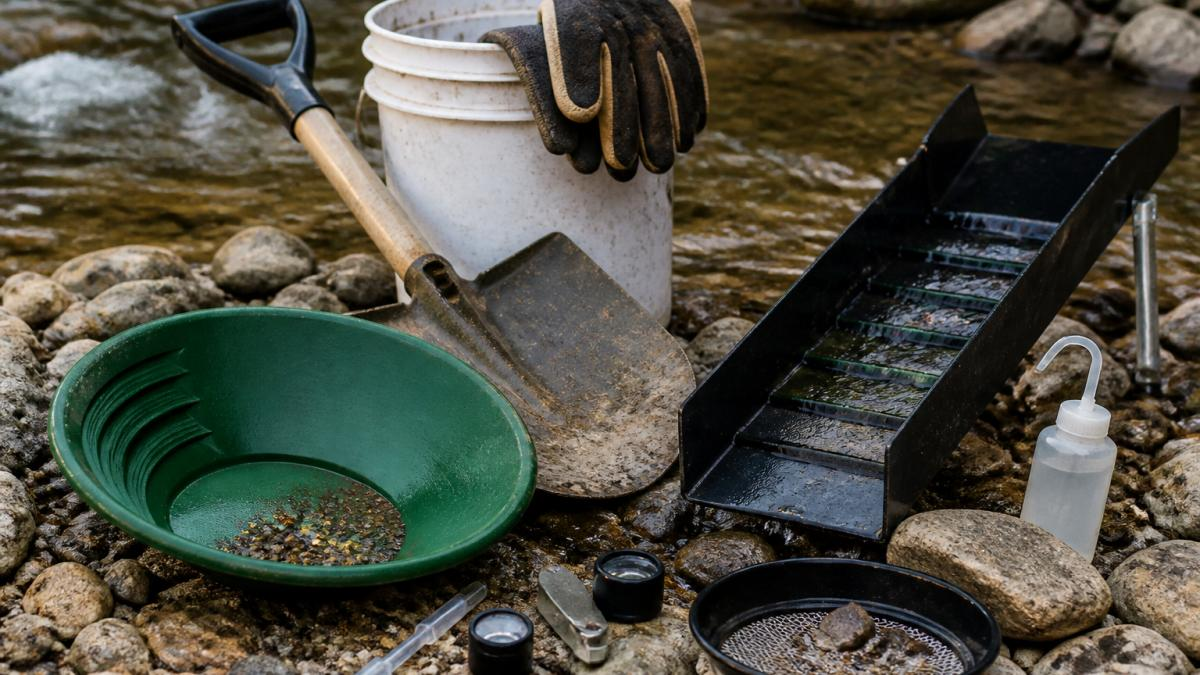
Outdoor gold prospecting is an exciting activity that allows people to explore rivers, streams, remote trails, and historic mining areas while searching for natural gold. Whether you are a beginner or an experienced prospector, spending time outdoors requires careful preparation. Uneven ground, changing weather, cold water, sharp rocks, and isolated locations can create unexpected risks.
Having the right safety equipment helps you manage these challenges and enjoy your prospecting trip with greater confidence. Before heading into the field, prepare a kit that protects you from environmental hazards, supports safe movement, and helps you respond to emergencies.
Gold prospecting equipment is important, but personal safety should always come first. Understanding which protective items to carry can make a significant difference during a short outing or a full day of exploration.
1. Wear Appropriate Clothing and Protective Footwear
The clothing you choose can affect your comfort, mobility, and safety in the field. Gold prospecting often involves walking over slippery stones, crossing shallow streams, kneeling beside riverbanks, and moving through areas with thick vegetation.
Choose Durable Outdoor Boots
Waterproof hiking boots with good traction are useful for many prospecting environments. They help protect your feet from sharp rocks, uneven surfaces, and muddy ground. For deeper water, suitable wading boots may provide better grip and support.
Choose footwear that fits properly and provides adequate ankle support for the terrain. Avoid worn-out soles because they may increase the risk of slipping.
If you plan to enter a stream, assess its depth, current, and bottom conditions before stepping in. Waterproof boots do not make dangerous water crossings safe.
Dress for Changing Weather
Layered clothing allows you to adjust to changing temperatures. A moisture-wicking base layer, an insulating middle layer, and a waterproof outer jacket can help you remain comfortable during unpredictable weather.
Long sleeves and durable trousers also provide protection against scratches, insects, and sun exposure. Carry an extra pair of socks and dry clothing if your trip involves wet conditions.
2. Carry a Reliable First Aid Kit
A first aid kit is one of the most important items for outdoor gold prospecting. Small cuts, blisters, insect bites, and minor scrapes can happen when working around rocks, tools, and vegetation.
Your kit should include adhesive bandages, sterile gauze, medical tape, antiseptic wipes, blister treatment, disposable gloves, and any personal medication you may need. Pack these supplies in a waterproof container or sealed bag to protect them from moisture.
Learn basic first aid before visiting remote areas. Knowing how to clean a minor wound, cover a blister, or recognize signs of heat exhaustion can help you respond appropriately.
For trips far from medical facilities, consider additional supplies based on the location, weather, and length of your outing. Check your kit before each trip and replace expired or damaged items.
3. Protect Your Head, Eyes, and Hands
Prospecting frequently involves digging, moving stones, handling metal tools, and working in direct sunlight. Protective equipment helps reduce the chance of common injuries.
Use Safety Glasses
Safety glasses protect your eyes from flying grit, dust, and small rock fragments. They are particularly useful when digging in dry ground, breaking apart loose material, or cleaning equipment.
Choose impact-resistant eye protection that fits securely. Ordinary sunglasses may reduce glare, but they are not necessarily designed to protect against flying debris.
Wear Durable Work Gloves
Gloves can reduce cuts, abrasions, and blisters when handling shovels, classifiers, buckets, and rough rocks. Select gloves that offer a secure grip without restricting finger movement.
Water-resistant gloves may be helpful in damp environments, while breathable work gloves can be more comfortable during hot weather. Replace gloves when they become torn or lose their grip.
Consider Head Protection
A wide-brimmed hat helps protect your face, ears, and neck from sunlight. In areas with falling-rock hazards or low overhead obstacles, appropriate protective headgear may also be necessary.
Assess the environment rather than assuming one type of head protection is suitable for every location.
4. Bring Enough Drinking Water and Sun Protection
Dehydration can develop quickly during physically demanding outdoor activities, especially in hot weather. Digging, carrying equipment, and walking long distances increase the body’s need for fluids.
Carry enough drinking water for the planned trip, with extra available if the weather is hot or the route is demanding. A reusable water bottle or hydration reservoir makes it easier to drink regularly.
If you expect to collect water from natural sources, bring a suitable treatment method, such as a certified water filter or another method appropriate to local contaminants. Clear-looking stream water is not necessarily safe to drink.
Sun protection is equally important. Pack broad-spectrum sunscreen, sunglasses with UV protection, and a brimmed hat. Reapply sunscreen according to its label, particularly after sweating heavily or getting wet.
5. Carry Navigation Tools and Communication Devices
Remote prospecting locations may have limited mobile coverage, poorly marked trails, or confusing terrain. Navigation and communication equipment can help prevent you from becoming lost.
A fully charged smartphone with offline maps is a useful starting point. However, do not rely entirely on mobile data or cellular reception.
For longer trips, consider carrying a dedicated GPS device, a physical map, and a compass. Learn how to use them before entering unfamiliar terrain.
Tell someone where you plan to prospect and when you expect to return. Provide your planned route and a backup contact method if possible.
In remote locations, a satellite messenger or personal locator beacon may provide an additional way to request help when ordinary communication networks are unavailable. Choose equipment suited to the region and understand how to operate it.
6. Use the Right Tools Safely
Shovels, digging picks, classifiers, gold pans, and buckets are common prospecting tools. Although these items help you search efficiently, careless handling can cause injuries.
Inspect tools before leaving home. Check handles for cracks, metal components for damage, and grips for looseness. Transport sharp tools securely and keep their working ends covered whenever possible.
When digging, maintain stable footing and avoid swinging tools near other people. Keep enough distance between members of your group to prevent accidental contact.
A compact tool kit can also include a small repair kit for loose handles or damaged equipment. Avoid carrying unnecessary tools that increase the weight of your pack without providing a clear benefit.
For prospectors who are organizing their equipment, resources such as goldplaypots can be explored alongside a practical checklist of the tools and supplies needed for an outing. Regardless of the equipment you choose, inspect every item and understand its intended use before entering the field.
7. Prepare for Cold Water and Unstable Ground
Streams and riverbanks can present some of the most serious hazards during gold prospecting. Water that appears shallow may have a strong current, slippery rocks, or sudden changes in depth.
Never enter fast-moving water simply to reach a promising prospecting spot. Avoid crossing flooded streams, and turn back if rainfall causes water levels to rise.
Use appropriate footwear for the conditions and test the stability of the ground before placing your full weight on it. Loose gravel, undercut banks, and wet clay can collapse without warning.
Cold water also creates risks, including rapid heat loss. Wear suitable protective clothing when working in cold conditions, and leave the water immediately if you experience numbness, uncontrolled shivering, or difficulty coordinating your movements.
If the terrain is unstable or the water is unsafe, find another location. No potential gold discovery is worth risking a serious injury.
8. Pack Emergency Supplies and a Flashlight
Even a planned daytime trip can take longer than expected. A minor equipment problem, an injury, or an unexpected change in weather may delay your return.
Carry a reliable flashlight or headlamp with spare batteries or a charged power source. A headlamp is particularly useful because it keeps both hands available for other tasks.
A whistle can help you signal for assistance without exhausting your voice. An emergency blanket provides compact insulation if you must wait for help or protect yourself from unexpected cold.
Consider packing high-energy snacks, a power bank, a lightweight rain jacket, and a small emergency repair kit. Keep important supplies in waterproof bags and organize them so you can find them quickly.
Your emergency equipment should reflect the duration of your trip, the distance from help, and the conditions you may encounter.
9. Understand Local Rules and Environmental Hazards
Safety involves more than personal protective equipment. Before prospecting, check whether the location allows gold panning or digging and whether you need a permit or permission from the landowner.
Rules can differ between public land, private property, protected areas, and waterways. Some locations restrict digging, equipment use, or the removal of natural materials.
Avoid disturbing unstable riverbanks, damaging vegetation, or leaving holes that could injure other visitors. Pack out rubbish and restore disturbed areas where required by local rules.
Learn about local hazards such as ticks, snakes, extreme heat, wildfire conditions, and sudden storms. Check weather forecasts before leaving and postpone your trip when conditions are unsafe.
For general outdoor emergency preparation, the National Park Service provides guidance on essential supplies that visitors should consider carrying on outdoor adventures.
10. Create a Safety Checklist Before Every Trip
A simple checklist helps ensure that important equipment does not get left behind. Review your supplies the night before departure and again before starting your journey.
Your checklist should include:
- Proper boots, weather-appropriate clothing, and gloves.
- Safety glasses and suitable head protection.
- Drinking water, snacks, and sun protection.
- A stocked first aid kit and personal medication.
- A phone, offline maps, and navigation equipment.
- A flashlight or headlamp with a reliable power source.
- A whistle, emergency blanket, and communication backup where needed.
- Inspected prospecting tools and waterproof storage bags.
- A weather forecast, planned route, and emergency contact plan.
Adjust the list for the season, location, and length of your outing. A short trip near an accessible road may require less emergency equipment than a full day in a remote wilderness area.
Conclusion
Essential safety equipment makes outdoor gold prospecting more manageable and helps you prepare for common hazards. Reliable footwear, protective clothing, a first aid kit, drinking water, navigation tools, communication devices, and emergency supplies should form the foundation of your kit.
However, equipment alone cannot eliminate every risk. Check the weather, understand local regulations, assess water and terrain conditions, and tell someone about your plans before setting out.
By combining suitable equipment with sound judgment and careful preparation, you can spend more time enjoying the search for gold while reducing avoidable risks. Make safety part of every prospecting trip, not something you consider only after a problem occurs.