

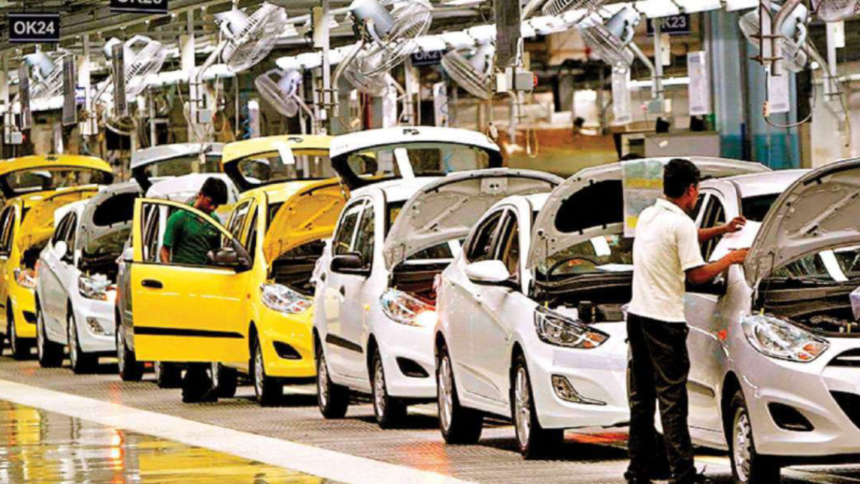
The automotive industry has entered one of the most exciting periods in its history. Modern vehicles are no longer just machines designed to take us from one place to another. They have become intelligent systems powered by advanced software, artificial intelligence, smart sensors, and connected technologies. At the same time, digital innovation continues to reshape how people learn about vehicles, compare models, understand new technologies, and make purchasing decisions.
For readers who want practical information about these developments, platforms such as bynethis.com provide valuable insights into automotive trends, technology updates, and other informative topics. Staying informed helps consumers make better decisions while understanding how rapidly the transportation landscape is evolving.
Whether you are a car enthusiast, a technology lover, or simply someone interested in the future of mobility, understanding the relationship between automobiles and technology has never been more important.
The Digital Revolution in the Automotive Industry
Today’s vehicles are significantly different from those produced even a decade ago. Automakers now focus on creating smarter, safer, and more efficient cars through digital innovation.
Modern vehicles commonly include:
- Intelligent infotainment systems
- Advanced driver assistance features
- Voice-controlled navigation
- Smartphone integration
- Cloud-based software updates
- Real-time vehicle diagnostics
These improvements not only make driving more convenient but also enhance road safety and overall user experience.
Artificial Intelligence Is Changing the Driving Experience
Artificial intelligence (AI) has become a major force behind automotive innovation.
AI allows vehicles to:
- Detect nearby obstacles
- Recognize traffic signs
- Monitor driver attention
- Improve navigation accuracy
- Optimize fuel consumption
- Assist with parking
Many manufacturers continue investing in AI research because intelligent systems help reduce accidents while making driving easier and more efficient.
As machine learning continues to improve, future vehicles are expected to become even more capable of understanding road conditions and adapting to changing environments.
Electric Vehicles Continue to Gain Momentum
Electric vehicles (EVs) have become one of the fastest-growing segments of the automotive market.
Consumers are increasingly choosing electric cars because they offer:
- Lower operating costs
- Reduced emissions
- Quiet driving experience
- Minimal maintenance
- Better energy efficiency
Governments worldwide are also supporting EV adoption by expanding charging infrastructure and offering incentives for buyers.
Battery technology continues to improve, allowing newer models to travel longer distances while charging more quickly than previous generations.
Smart Connectivity Makes Cars More Intelligent
Connected vehicles represent another major advancement.
Modern cars can communicate with:
- Mobile applications
- Cloud platforms
- Navigation systems
- Emergency response services
- Smart home devices
Drivers can remotely:
- Lock or unlock doors
- Start the engine
- Check fuel or battery status
- Locate their parked vehicle
- Schedule maintenance reminders
This connectivity creates a seamless digital experience that extends beyond the driver’s seat.
Safety Technologies Continue to Improve
Vehicle safety has advanced dramatically thanks to modern technology.
Many new vehicles now include:
Automatic Emergency Braking
This feature detects potential collisions and automatically applies the brakes if necessary.
Lane Keeping Assistance
Sensors monitor lane markings and help keep the vehicle centered.
Adaptive Cruise Control
The system automatically adjusts vehicle speed based on surrounding traffic.
Blind Spot Monitoring
Drivers receive alerts when another vehicle enters their blind spot.
These technologies work together to reduce accidents while making long-distance driving less stressful.
The Growing Role of Autonomous Driving
Self-driving technology has attracted worldwide attention.
Although fully autonomous vehicles are still being developed, many cars already include semi-autonomous capabilities such as:
- Automatic steering assistance
- Traffic jam assistance
- Highway driving support
- Intelligent parking systems
Organizations like NHTSA continue researching vehicle safety standards while supporting responsible deployment of advanced driving technologies.
As regulations evolve, autonomous driving is expected to become increasingly common over the coming years.
Automotive Software Is Becoming More Important
Software now plays an essential role in modern vehicles.
Instead of visiting dealerships for every improvement, many manufacturers deliver:
- Feature upgrades
- Navigation improvements
- Security patches
- Performance optimizations
through over-the-air (OTA) software updates.
This approach keeps vehicles current while extending their lifespan.
Sustainability Is Driving Future Innovation
Environmental responsibility has become a major priority for manufacturers.
Companies are investing in:
- Recycled vehicle materials
- Eco-friendly manufacturing
- Renewable energy production
- Hydrogen-powered vehicles
- Lightweight vehicle designs
These initiatives aim to reduce carbon emissions while improving overall efficiency.
Consumers increasingly value brands that combine innovation with sustainability.
The Importance of Reliable Automotive Information
Technology evolves quickly, making reliable information essential.
Consumers often research topics such as:
- Vehicle comparisons
- Maintenance tips
- New technology trends
- Electric vehicle developments
- Automotive buying guides
Trusted online publications simplify this process by presenting accurate, easy-to-understand content.
Quality automotive articles help readers:
- Understand industry trends
- Make informed purchases
- Learn about emerging technologies
- Stay updated with innovation
- Improve vehicle ownership experience
Technology and Automotive Industries Will Continue to Grow Together
The future of transportation extends beyond traditional automobiles.
Emerging technologies include:
- Vehicle-to-vehicle communication
- Smart city integration
- AI-powered traffic management
- Predictive maintenance
- Advanced battery systems
- Connected mobility services
As these innovations become mainstream, transportation will become safer, more efficient, and increasingly intelligent.
Businesses operating within automotive and technology sectors must continue adapting to changing consumer expectations while embracing digital transformation.
Conclusion
The automotive industry is evolving faster than ever before. Artificial intelligence, electric vehicles, connected systems, advanced safety features, and sustainable engineering are reshaping how people travel every day. As technology continues to advance, consumers benefit from safer vehicles, smarter driving experiences, and improved efficiency.
Keeping up with these developments requires access to trustworthy information and expert insights. By understanding emerging trends and technological breakthroughs, readers can make better decisions while preparing for the future of mobility. The combination of automotive innovation and digital technology promises an exciting road ahead for drivers, manufacturers, and technology enthusiasts alike.