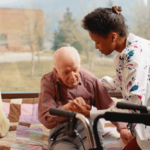


As people grow older, many choose to continue living independently in their own homes. While living alone can provide freedom, comfort, and familiarity, it can also create challenges related to health, safety, mobility, and social interaction. Family members often wonder: what support is available for elderly people living alone?
Fortunately, there are many services, programs, and resources designed to help seniors maintain their independence while ensuring their well-being. From healthcare assistance to companionship programs, elderly individuals can receive the support they need without moving into a nursing home or assisted living facility.
This guide from Troozer.com explains the different types of support available for seniors who live alone and how these services can improve their quality of life.
Why Elderly People Need Support When Living Alone
Living independently can be rewarding, but aging often brings physical and emotional challenges. Seniors may experience reduced mobility, chronic health conditions, memory problems, or difficulty performing everyday tasks.
Without proper support, these challenges can increase the risk of:
- Falls and injuries
- Medication mistakes
- Social isolation
- Depression and anxiety
- Poor nutrition
- Difficulty attending medical appointments
Support services help address these concerns while allowing elderly individuals to remain comfortable in their own homes.
Home Care Services
One of the most common forms of support for seniors living alone is home care assistance.
Professional caregivers can visit regularly to help with daily activities such as:
- Bathing and personal hygiene
- Dressing
- Grooming
- Meal preparation
- Light housekeeping
- Medication reminders
Home care services can be customized based on the individual’s needs. Some seniors require assistance only a few hours each week, while others may benefit from daily visits.
These services help elderly people maintain their dignity and independence while receiving practical support.
Healthcare and Medical Support
Access to healthcare is essential for older adults living alone.
Many healthcare providers offer in-home services, including:
Nursing Care
Registered nurses can visit seniors at home to monitor health conditions, administer medications, and provide wound care.
Physical Therapy
Physical therapists help seniors improve mobility, balance, and strength, reducing the risk of falls.
Occupational Therapy
Occupational therapists teach strategies that make everyday activities safer and easier.
Telehealth Services
Technology now allows seniors to consult doctors remotely through video appointments, reducing the need for travel.
Regular healthcare support ensures that medical issues are identified and treated early.
Meal Delivery Programs
Preparing nutritious meals can become difficult as people age.
Meal delivery programs offer a practical solution by providing healthy, ready-to-eat meals directly to seniors’ homes.
Benefits include:
- Better nutrition
- Reduced grocery shopping needs
- Convenience
- Improved health outcomes
Many community organizations and charities also provide affordable meal services specifically designed for elderly individuals.
Proper nutrition plays a major role in maintaining energy, strength, and overall well-being.
Transportation Assistance
Many seniors eventually stop driving due to health or vision concerns. However, they still need transportation for medical appointments, shopping, and social activities.
Transportation support may include:
- Senior shuttle services
- Community transport programs
- Volunteer driver programs
- Taxi assistance services
- Ride-sharing options
Reliable transportation helps elderly individuals remain active and connected to their communities.
Safety and Emergency Monitoring Systems
Safety is one of the biggest concerns for seniors living alone.
Modern technology offers several solutions that provide peace of mind to both seniors and their families.
Medical Alert Systems
Wearable devices allow seniors to call for help by pressing a button during emergencies.
Fall Detection Devices
Some systems automatically detect falls and notify emergency contacts even if the senior cannot reach the alert button.
Smart Home Technology
Smart devices can monitor movement, control lighting, and send alerts when unusual activity is detected.
These technologies can significantly reduce emergency response times and improve overall safety.
Social Support and Companionship
Loneliness is a common issue among elderly individuals who live alone.
Studies show that social isolation can negatively impact both mental and physical health.
Fortunately, several programs provide companionship and social engagement.
Friendly Visitor Programs
Volunteers regularly visit seniors for conversation and companionship.
Telephone Check-In Services
Organizations call elderly individuals daily or weekly to ensure they are safe and doing well.
Community Centers
Senior centers offer activities such as:
- Exercise classes
- Arts and crafts
- Educational workshops
- Social gatherings
- Group outings
Maintaining social connections helps improve mood, reduce loneliness, and support cognitive health.
Family Support and Care Coordination
Family members often play a critical role in supporting elderly relatives who live alone.
Family support may include:
- Regular visits
- Monitoring medications
- Managing appointments
- Grocery shopping
- Financial assistance
- Home maintenance
Even when professional caregivers are involved, family participation provides emotional comfort and reassurance.
Many families also use shared calendars and caregiving apps to coordinate responsibilities effectively.
Household Assistance Services
Everyday household tasks can become more difficult with age.
Many organizations offer support for:
- Cleaning
- Laundry
- Yard work
- Snow removal
- Minor home repairs
- Grocery shopping
Maintaining a clean and safe living environment helps reduce accidents and improves overall comfort.
Financial and Legal Support
Financial management can become challenging for some seniors.
Support services may help with:
- Budgeting
- Bill payments
- Benefits applications
- Insurance paperwork
- Estate planning
Professional advisors can also assist seniors in understanding available government benefits and healthcare coverage options.
Having financial support helps reduce stress and promotes long-term stability.
Community-Based Programs
Many local communities provide valuable resources specifically for older adults.
Examples include:
| Service | Benefits |
|---|---|
| Senior Centers | Social activities and education |
| Volunteer Programs | Companionship and assistance |
| Meal Services | Healthy nutrition support |
| Transportation Programs | Access to appointments and errands |
| Wellness Programs | Health monitoring and exercise |
Community programs allow seniors to remain engaged while receiving practical support.
How Families Can Help Seniors Living Alone
Family members can make a significant difference by taking proactive steps.
Some helpful strategies include:
- Scheduling regular check-ins
- Installing safety equipment
- Encouraging social participation
- Organizing medication management
- Helping with transportation arrangements
- Monitoring health changes
Even small actions can greatly improve an elderly person’s sense of security and independence.
The Importance of Aging in Place
Many seniors prefer to remain in their own homes for as long as possible. This concept is often called “aging in place.”
Benefits include:
- Familiar surroundings
- Greater independence
- Emotional comfort
- Stronger community connections
- Improved quality of life
With the right support network, aging in place can be both safe and rewarding.
Conclusion
When asking what support is available for elderly people living alone, the answer is that a wide range of services exists to help seniors live independently and safely. From home care and healthcare assistance to transportation, meal delivery, companionship, and emergency monitoring, there are many resources available to meet individual needs.
Families, caregivers, healthcare professionals, and community organizations all play important roles in supporting older adults. By combining these resources, seniors can maintain their independence while enjoying a healthier, safer, and more fulfilling life.
At Troozer.com, we believe that understanding available support options is the first step toward helping elderly individuals age comfortably and confidently in their own homes.
Frequently Asked Questions (FAQs)
1. What support is available for elderly people living alone?
Support includes home care services, healthcare assistance, meal delivery, transportation programs, companionship services, emergency monitoring systems, and community support programs.
2. How can elderly people stay safe while living alone?
They can use medical alert devices, fall detection systems, home safety modifications, regular health check-ups, and family monitoring services.
3. Are there programs that help elderly people with daily tasks?
Yes. Many organizations provide assistance with housekeeping, meal preparation, personal care, shopping, and transportation.
4. How can seniors avoid loneliness when living alone?
Seniors can join community groups, participate in social activities, use companionship programs, attend senior centers, and stay connected with family and friends.
5. Can elderly people receive healthcare services at home?
Yes. Many healthcare providers offer nursing care, physical therapy, occupational therapy, and telehealth consultations directly in the home.