

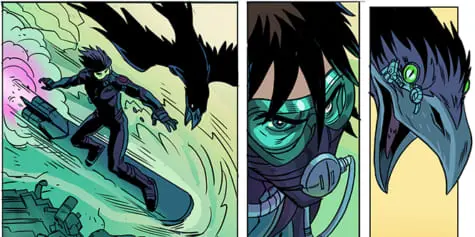
Creating a comic from scratch can seem difficult when you look at polished comic books, graphic novels, or webcomics. Professional artists may make the process look effortless, but every comic begins with a simple idea. You do not need to be an expert artist or experienced writer to start. With a clear story, a few characters, and some basic planning, beginners can create an enjoyable comic of their own.
If you want an easy way to turn your ideas into a visual story, tools such as Pixton can help beginners organize characters, scenes, dialogue, and panels without requiring advanced drawing skills. The important part is to focus first on storytelling and then build the visual elements around it.
1. Start With a Simple Story Idea
The first step is deciding what your comic will be about. Beginners often make the mistake of trying to create a huge story with dozens of characters, locations, and complicated plotlines. A shorter idea is usually easier to manage.
Think about a simple situation. For example, a student could lose an important assignment, a superhero could discover an unexpected ability, or two friends could get lost while exploring a new place.
Ask yourself three basic questions:
- Who is the main character?
- What does the character want?
- What problem gets in the way?
These questions give you the foundation of your story. You can then decide how the character responds to the problem and what happens at the end.
2. Create Your Main Characters
Characters are one of the most important parts of a comic. Readers need a reason to care about what happens to them.
Start with one main character instead of creating a large cast. Give the character a name, personality, goal, and weakness. You can also decide how the character looks and what makes them different from everyone else.
For example, your main character might be a curious teenager who loves exploring but often acts before thinking. That personality can naturally create situations for the story.
Supporting characters should also have a purpose. A friend might provide advice, while a rival might create conflict. Avoid adding characters simply because they look interesting. Each character should contribute something to the story.
3. Write a Basic Story Outline
Before creating individual comic panels, write a short outline. You do not need a complete screenplay.
A simple three-part structure works well for beginners:
Beginning
Introduce the main character, setting, and situation. Show readers what normal life looks like before the main problem appears.
Middle
Introduce the main conflict. The character tries to solve the problem but faces obstacles, mistakes, or unexpected events.
Ending
Bring the story to a conclusion. The character may solve the problem, learn something, change their behavior, or experience an unexpected result.
For a short comic, this structure can be completed in just a few pages. Keeping the story short allows you to concentrate on making each scene meaningful.
4. Break the Story Into Scenes
Once you have an outline, divide it into individual scenes. Each scene should move the story forward.
For example, imagine you are creating a six-page comic about a student who discovers a mysterious notebook.
Page one could introduce the student and the school.
Page two could show the student finding the notebook.
Page three could reveal something unusual about it.
Page four could show the student testing its mysterious ability.
Page five could create a problem caused by that ability.
Page six could provide the ending.
This approach makes the project much easier because you are no longer trying to design the entire comic at once.
5. Turn Scenes Into Comic Panels
A comic tells a story through a sequence of images. Each panel represents a moment in the story.
When planning panels, think about what the reader needs to see rather than trying to place every sentence into a separate panel.
For example, instead of writing:
“John walked into the room, looked around, noticed a strange box on the table, walked toward it, picked it up, and opened it.”
You can divide the action visually. One panel can show John entering the room. Another can show him noticing the box. A close-up can show his hand opening it.
This makes the story feel more natural and gives the reader visual information without excessive dialogue.
The Library of Congress provides educational resources showing how comics can use panels, characters, and imagination to develop visual storytelling. Its comic collection is also a useful source of inspiration for anyone studying different comic styles. Explore the Library of Congress comic resources.
6. Keep Dialogue Short and Natural
Dialogue helps readers understand what characters are thinking, but too much text can make a comic feel crowded.
Imagine that someone is speaking in a normal conversation. They usually do not explain everything they are doing. Your characters should behave similarly.
Instead of writing:
“I am extremely surprised because I have just discovered a strange object that I have never seen before.”
A character might simply say:
“Wait… what is this?”
Short dialogue is easier to read and leaves more space for the artwork.
You can also use speech bubbles for conversations and captions for information that does not need to be spoken by a character.
7. Choose a Visual Style
Your comic does not need to look like a professional superhero book. Beginners should choose a style that matches their skills and the story.
You might prefer:
- Cartoon characters
- Simple line drawings
- Colorful digital characters
- Black-and-white illustrations
- Minimalist designs
- Manga-inspired visuals
Consistency is more important than complexity. If your characters look completely different from one panel to the next, readers may find the story confusing.
Choose a few basic visual rules and keep them consistent throughout the comic. Use similar character appearances, backgrounds, proportions, and colors.
8. Plan the Page Layout
Page layout affects how readers experience your story. Large panels can emphasize important moments, while smaller panels can make a sequence feel faster.
For a beginner comic, simple layouts are usually easier. Try using three to six panels on a page.
You can use a large panel when something important happens, such as a character discovering a secret or reaching the climax of the story. Smaller panels can work well for conversations or quick actions.
Remember that readers should be able to understand the order of the panels immediately. Avoid complicated layouts until you become more comfortable with comic design.
9. Add Backgrounds and Details
Backgrounds help establish where a scene is taking place. They do not always need to be highly detailed.
If the character is at school, a few desks, windows, or classroom objects may be enough to communicate the location. If the scene takes place outdoors, trees, buildings, roads, or other simple elements can establish the setting.
Background details can also help create mood. A dark room can make a scene feel mysterious, while an open park can make a scene feel relaxed.
Use details when they support the story rather than filling every available space.
10. Review Your Comic Before Publishing
When the first version is finished, read the entire comic from beginning to end.
Check whether the story is easy to follow. Make sure the characters look consistent and that the dialogue fits inside the speech bubbles. Look for spelling mistakes, confusing panels, unnecessary dialogue, and scenes that do not contribute to the main story.
It can also help to show the comic to someone who has not seen it before. Ask them what they think happened in the story. If they misunderstand an important scene, you may need to make the visual storytelling clearer.
Do not worry if the first version is not perfect. Editing is a normal part of the creative process.
11. Start Small and Improve With Practice
The best way to learn how to create a comic is to actually make one. Your first comic might only be four or six pages long, and that is completely fine.
After finishing one project, try another with a different story or visual style. You will gradually become better at writing dialogue, designing characters, arranging panels, and controlling the pace of a story.
You can also study comics you enjoy and pay attention to how artists introduce characters, show movement, create emotion, and transition between scenes. Instead of simply copying their style, identify the techniques that make their stories easy and enjoyable to follow.
Conclusion
Creating a comic from scratch becomes much easier when you divide the process into manageable steps. Start with a simple idea, develop a few strong characters, outline the story, divide it into scenes, and then turn those scenes into panels.
You do not need advanced artistic skills to begin. What matters most is having a clear story and presenting it in a way readers can understand. With practice and the right creative tools, beginners can move from a simple idea to a finished comic and continue developing their storytelling skills with every new project.