

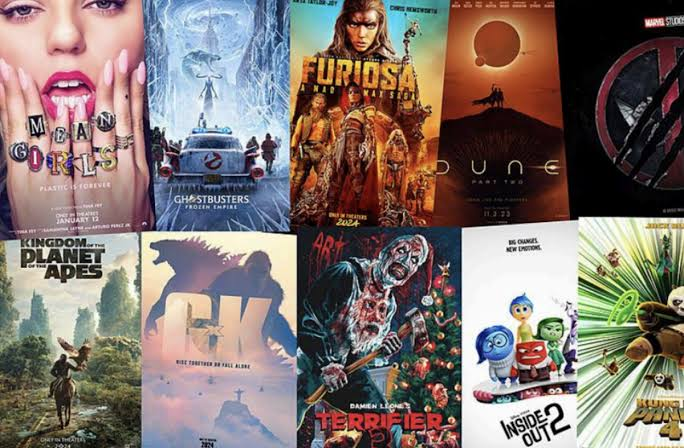
Every year, thousands of movies are released across cinemas and streaming platforms, but only a small percentage become major hits. Some films attract huge audiences, dominate social media conversations, and remain popular for years, while others disappear shortly after release. This difference raises an interesting question: why are some movies more popular than others?
For viewers who enjoy discovering new films, understanding what makes a movie successful can make it easier to find interesting titles across different genres and eras. Platforms such as boredsflix can also help movie fans explore entertainment options and discover films that match their interests.
The popularity of a movie is rarely caused by one factor alone. Storytelling, actors, marketing, timing, reviews, audience expectations, and even social trends can all influence how many people watch a particular film. In many cases, several of these factors work together to turn an ordinary release into a cultural phenomenon.
A Strong Story Creates a Lasting Connection
One of the most important reasons people enjoy movies is the story. A compelling narrative gives viewers a reason to become emotionally invested in the characters and their experiences.
Successful movies often use familiar themes such as friendship, love, ambition, family, survival, revenge, or personal growth. These themes are easy for audiences to understand because they connect with real human experiences.
However, familiar themes do not necessarily mean predictable stories. Popular movies often combine recognizable emotions with an original setting, unusual characters, unexpected twists, or creative storytelling techniques.
A strong story can also generate word-of-mouth recommendations. When viewers genuinely enjoy a movie, they are more likely to tell friends, share opinions online, or recommend it through social media. This organic attention can significantly increase a film’s audience.
Famous Actors Can Attract Audiences
Casting can have a major influence on a movie’s popularity. Well-known actors already have established audiences who may be interested in watching their latest projects.
A popular actor can also influence how audiences perceive a movie before they have seen it. For example, someone who regularly enjoys an actor’s performances may decide to watch a new film simply because that actor is involved.
However, famous names alone do not guarantee success. Audiences still expect good performances and an entertaining story. If a highly promoted movie fails to meet expectations, negative word of mouth can quickly reduce its popularity.
On the other hand, a relatively unknown actor can become extremely popular after appearing in a successful film. In these cases, the movie itself becomes the platform that introduces new talent to a much larger audience.
Marketing Can Make a Huge Difference
Even a great movie can struggle if people do not know it exists. Marketing helps studios communicate what makes a film worth watching.
Movie trailers, posters, interviews, advertisements, social media campaigns, and promotional events can all influence audience awareness. A well-designed campaign can create curiosity before a movie is released.
Marketing also helps establish expectations. A trailer can tell audiences whether a movie is primarily a comedy, action film, thriller, romance, science-fiction story, or family adventure.
Timing matters as well. Studios often schedule major releases around holidays, school vacations, or periods when audiences traditionally visit cinemas more frequently. A movie released at the right time can benefit from increased public attention.
Reviews and Audience Ratings Influence Decisions
People frequently look for reviews before spending money or time on a movie. Professional critics can influence early perceptions, while audience ratings provide another form of feedback.
A movie receiving strong reviews may attract viewers who were initially uncertain about watching it. Similarly, positive audience reactions can encourage people to give a film a chance.
Negative reviews can have the opposite effect. If viewers repeatedly describe a movie as disappointing, potential audiences may choose another option.
At the same time, reviews are not always predictable. Some movies receive mixed critical reactions but develop passionate fan bases. Others may receive excellent reviews but struggle to reach a large mainstream audience.
Social Media Can Turn a Movie Into a Trend
Modern movie popularity is strongly connected to social media. A memorable scene, character, quote, soundtrack, or unexpected plot development can become the subject of online discussions.
Short videos and memes can introduce a movie to people who were not originally interested in watching it. Once a film begins appearing repeatedly in social feeds, curiosity can encourage more people to watch it.
This creates a powerful cycle. More people watch the movie, more people discuss it, and increased discussion brings additional viewers.
Some films also become popular months or even years after their original release because of renewed attention on social platforms. A movie does not always need to be a major theatrical success to eventually become widely recognized.
Franchise Recognition Creates an Existing Audience
Movies connected to established franchises often have an advantage because audiences are already familiar with their characters and fictional worlds.
Sequels, spin-offs, superhero films, and adaptations can benefit from years of audience awareness. Fans may already be emotionally connected to the characters before the latest movie is released.
Franchise popularity can also make marketing easier. A trailer featuring a familiar character may generate immediate interest without requiring the studio to explain the entire concept from the beginning.
However, franchises can also face high expectations. Fans may compare every new installment with previous movies, meaning poor storytelling can quickly create disappointment.
Visual Effects and Production Quality Matter
Spectacular visuals can make certain movies particularly attractive, especially in genres such as science fiction, fantasy, action, and adventure.
Large-scale productions can offer experiences that audiences may prefer to see on a cinema screen. Impressive special effects, sound design, cinematography, costumes, and production sets can all contribute to the overall experience.
Still, visual quality cannot replace storytelling. Audiences may initially be attracted by impressive visuals, but a weak narrative can prevent a movie from developing long-term popularity.
The most successful productions usually combine technical quality with memorable characters and an engaging story.
Cultural Relevance Can Increase Popularity
Movies sometimes become popular because they reflect issues, interests, or conversations that are already important to society.
A film may explore changing social attitudes, current fears, popular lifestyles, historical events, or generational experiences. When audiences see elements of their own lives or concerns reflected on screen, they may feel a stronger connection to the story.
Cultural relevance can also make movies easier to discuss. People are more likely to recommend and debate films that give them something meaningful to talk about after watching.
Nostalgia Gives Older Movies New Life
Not every popular movie is a recent release. Nostalgia can bring older films back into the spotlight.
People often return to movies they watched during childhood or earlier stages of their lives. These films can create strong emotional associations with particular memories, music, characters, or periods.
Younger audiences can also discover older movies through streaming services, social media recommendations, remakes, or references in newer productions.
According to the American Psychological Association, nostalgia can play an important role in emotional experiences and social connection. This helps explain why certain older movies continue to attract audiences long after their original release.
Word of Mouth Remains Extremely Powerful
Despite the growth of digital advertising, personal recommendations remain one of the strongest ways movies gain audiences.
People tend to trust recommendations from friends, family members, and online communities because these suggestions feel more personal than traditional advertising.
A movie that creates a strong emotional reaction can benefit enormously from this effect. Viewers may recommend it because it made them laugh, cry, think differently, or simply provided an entertaining experience.
This is one reason unexpected movies sometimes become surprise hits. They may not have the largest marketing budgets, but enthusiastic viewers can gradually build awareness.
Why Movie Popularity Is Difficult to Predict
There is no guaranteed formula for producing a popular movie. A film can have famous actors, a large budget, impressive effects, and an expensive marketing campaign yet still perform poorly.
Meanwhile, a smaller production with relatively unknown actors can sometimes attract enormous attention.
Audience preferences are constantly changing, and external factors can influence viewing habits. Competition from other releases, streaming availability, cultural trends, economic conditions, and social media activity can all affect performance.
Ultimately, popularity is often the result of several factors working together at the right moment.
Conclusion
Some movies become more popular than others because they successfully combine storytelling, memorable performances, effective marketing, cultural relevance, timing, and audience engagement. There is no single ingredient that guarantees success.
The most memorable films often give audiences something beyond entertainment. They create emotions, conversations, characters people remember, or experiences viewers want to share with others.
That is why movie popularity can be so unpredictable. A film may become a blockbuster immediately, grow through word of mouth, become a social media trend years later, or develop a loyal following long after its original release. In the end, the movies that connect most strongly with audiences are often the ones that remain popular the longest.